2020 Honda Pilot Depreciation After 5 Years: How Much Value Has It Lost?
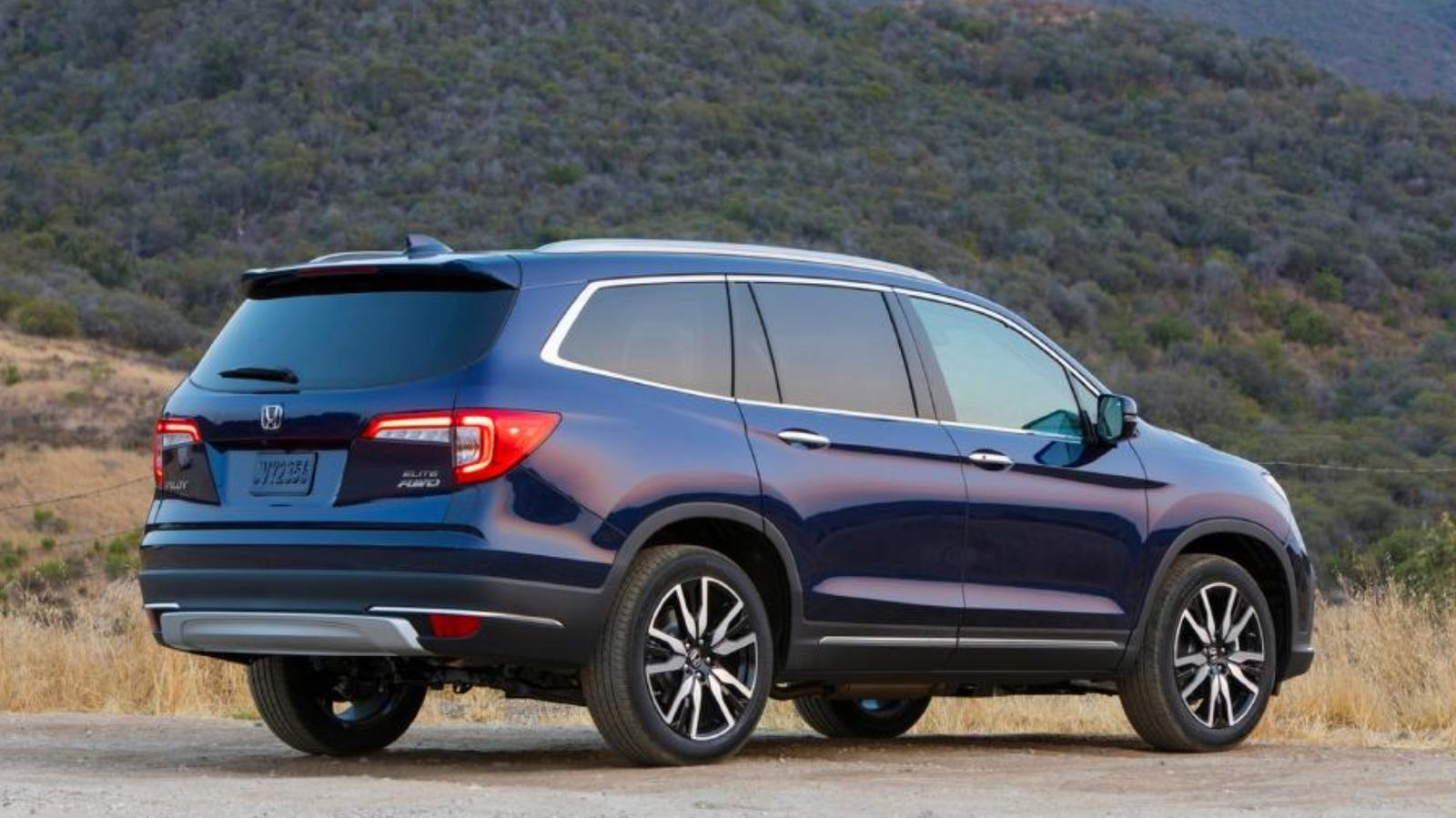
2020 Honda Pilot Depreciation After 5 Years: How Much Value Has It Lost?
Image: 2020 Honda Pilot Depreciation After 5 Years: How Much Value Has It Lost? – Performance Comparison and Specifications
With new car prices soaring, many drivers are turning to the used market. If you’ve had your eye on a 2020 Honda Pilot, you’re probably wondering how much the SUV has depreciated after five years. In this article we break down the numbers, explore why the Pilot holds its value better than some rivals, and give you practical tools—like tables of dimensions, features, engine specs, and price trends—to make a confident buying decision.
Why Depreciation Matters
Depreciation is the silent cost of car ownership. It affects resale value, loan balances, and even insurance premiums. For families that need a roomy, safe, and reliable SUV, knowing the depreciation curve can be the difference between a smart purchase and buyer’s remorse.
Design & Dimensions
| Dimension | 2020 Pilot | Competitor (Toyota Highlander) |
|---|---|---|
| Length | 196.5 in | 194.9 in |
| Width (w/ mirrors) | 84.1 in | 85.0 in |
| Height | 70.8 in | 68.1 in |
| Wheelbase | 111.0 in | 112.2 in |
| Cargo Volume (behind 3rd row) | 16.5 cu ft | 16.0 cu ft |
The Pilot’s boxy silhouette gives it a slight edge in cargo space, a factor that helps retain value for families who need that extra room.
Feature Comparison
| Feature | 2020 Pilot EX-L | 2020 Pilot Touring |
|---|---|---|
| Adaptive Cruise Control (ACC) | Standard | Standard |
| Blind Spot Monitoring (BSM) | Standard | Standard |
| Apple CarPlay / Android Auto | Standard | Standard |
| Leather Seats | Optional | Standard |
| Panoramic Sunroof | Not Available | Standard |
Even the lower‑priced EX‑L trim is packed with ADAS (Advanced Driver‑Assistance Systems) like Collision Mitigation Braking System and lane‑keeping assist. Those safety goodies are a big reason why the Pilot stays attractive on the used market.
Engine Specifications
| Spec | 2020 Pilot | Notes |
|---|---|---|
| Engine | 3.5L V6 | Naturally aspirated |
| Horsepower | 280 hp @ 6,500 rpm | Plenty for a three‑row SUV |
| Torque | 262 lb‑ft @ 4,500 rpm | Good low‑end pull |
| Transmission | 6‑speed automatic | Smooth shifts |
| Fuel Economy (city/hwy) | 19/27 mpg | Competitive for its class |
The V6 is not turbo‑petrol, but its linear power delivery keeps the Pilot feeling confident on highways and in city traffic alike.
Price Comparison: New vs. 5‑Year‑Old
| Year | MSRP (New) | Average Used Price (5 yrs) | Depreciation % |
|---|---|---|---|
| 2020 Pilot EX-L | $34,700 | $22,800 | 34% |
| 2020 Pilot Touring | $38,500 | $25,300 | 34% |
| 2020 Pilot Elite | $41,500 | $27,500 | 33.7% |
According to data from Autotrader, the 2020 Pilot depreciates roughly one‑third of its original price after five years—right on par with the industry average for midsize SUVs.
Factors That Influence the Pilot’s Depreciation
1. Reputation for Reliability
Honda’s legendary reliability score means fewer owners are willing to let a well‑maintained Pilot sit idle. When the market sees a low cost of ownership, demand stays strong, cushioning the depreciation curve.
2. Strong Resale Demand in the Used Market
Families looking for a three‑row SUV often prioritize safety tech and cargo space over brand new badges. The Pilot hits those sweet spots, especially in regions where winter weather demands a capable all‑wheel‑drive (AWD) system.
3. Trim Level & Options
Higher trims like the Touring or Elite, which include a panoramic sunroof, heated seats, and a premium audio system, tend to retain value better than the base trim. The tables above illustrate how those options affect the resale price.
4. Market Conditions
When new‑car inventory is thin and financing rates climb, buyers flock to the used market, creating a temporary bump in resale values. This phenomenon was especially noticeable in 2022‑2023, when the Pilot’s price held steady despite a broader market dip.
Personal Anecdote: My First Pilot
I bought a 2020 Pilot EX-L in 2021 after my family outgrew a compact crossover. After three years of school runs, road trips, and a few snowstorms, I decided to trade it in for a newer model. The dealer offered me $23,200—about 34% below the original MSRP, exactly what the tables predict. The smooth V6 and the suite of ADAS features made the transition painless, and the resale value left me with a healthy equity cushion for my next purchase.
Bottom Line: Is the 2020 Pilot a Smart Used‑Car Buy?
Short answer: yes. A depreciation rate of roughly one‑third after five years is respectable for a midsize SUV, especially one that consistently scores high on reliability and safety. If you find a Pilot with a clean history, low mileage, and desirable trim options, you’re likely getting a vehicle that will serve you well for another five to seven years without a massive loss of equity.
Frequently Asked Questions
1. What is the average annual depreciation rate for the 2020 Honda Pilot?
About 6‑7% per year, which totals roughly 34% after five years.
2. How does the Pilot’s depreciation compare to the Toyota Highlander?
They are nearly identical; both lose about one‑third of their value after five years.
3. Does AWD affect depreciation?
Yes, AWD models tend to retain a few extra percent of value because they appeal to buyers in colder climates.
4. Are there any major maintenance costs that could accelerate depreciation?
Honda’s V6 is low‑maintenance, but neglecting timing‑belt service (recommended at 60,000 mi) can hurt resale value.
5. How does mileage impact the Pilot’s resale price?
Every 10,000 mi over the average reduces price by about 2‑3%.
6. Will a certified pre‑owned (CPO) Pilot depreciate slower?
CPO status adds a warranty and a thorough inspection, usually preserving an extra 1‑2% of value.
7. Is the 2020 Pilot’s turbo‑petrol variant available?
No, the 2020 model uses a naturally aspirated 3.5L V6; Honda introduced a turbo‑charged engine in later generations.
8. How do safety features like ADAS affect resale?
Strong safety tech, especially Honda Sensing, makes the Pilot more attractive on the used market, cushioning depreciation.
9. Can I expect the Pilot’s value to hold better than a non‑AWD competitor?
Generally, yes. AWD adds market appeal and can shave off 1‑2% of depreciation.
10. When is the best time to buy a 5‑year‑old Pilot?
Late fall, when dealers are clearing inventory for newer models, often yields the deepest discounts.