Bottom Line Up Front
Mechanical differentials rely on gears to split torque, while electronic differentials use sensors and software to manage power distribution. The choice affects grip, feel, and cost.
Mechanical vs Electronic Differentials: Key Differences Explained
Image: Mechanical vs Electronic Differentials: Key Differences Explained – Performance Comparison and Specifications
Design & Operation
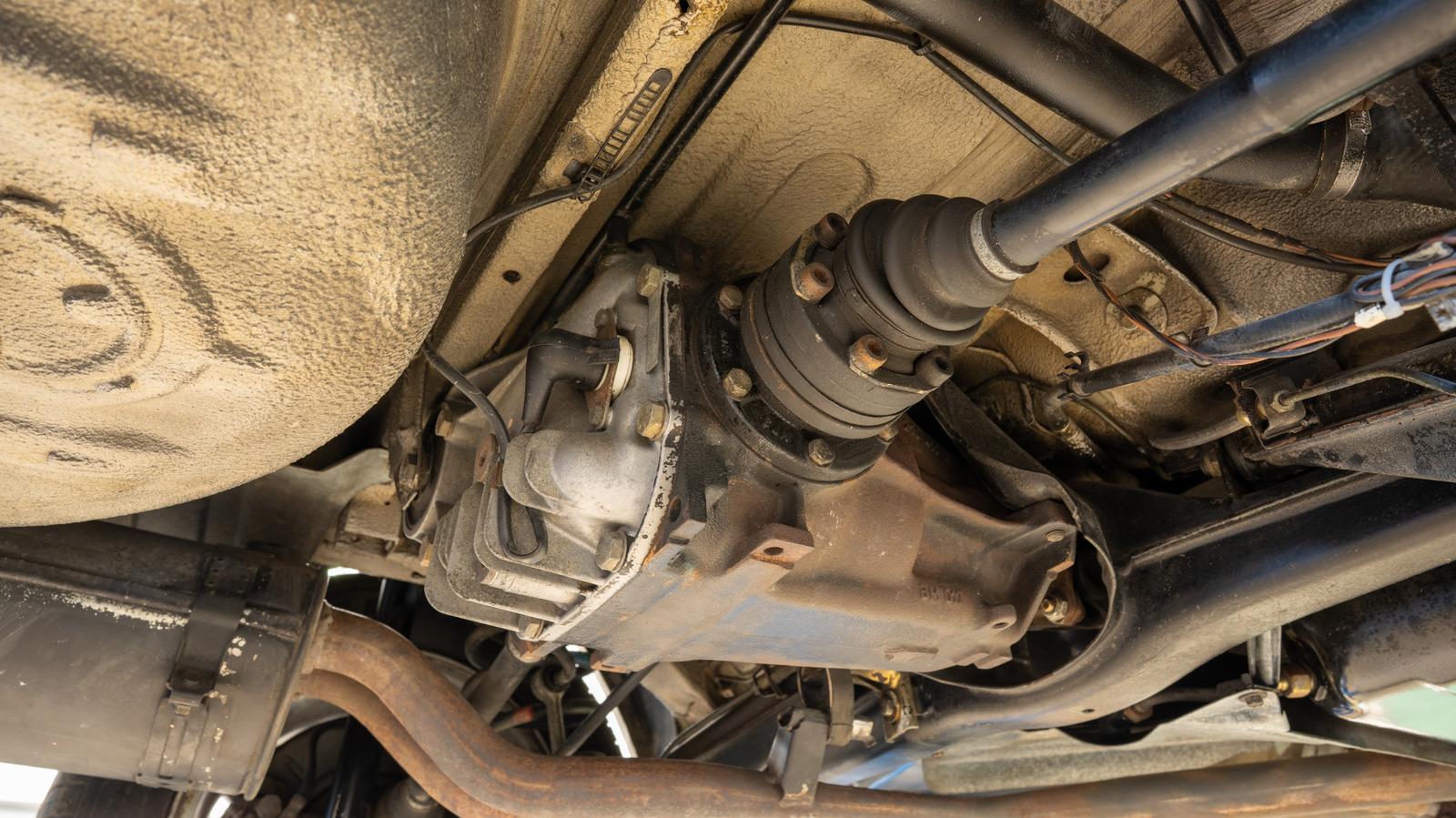
Traditional mechanical differentials consist of a set of bevel gears that turn at different speeds when the wheels follow separate paths. The design is simple, durable, and requires no external power.
Electronic (or electronic‑limited slip) differentials add a clutch pack, a control unit, and wheel‑speed sensors. When the system detects a wheel slipping, it commands the clutch to engage and transfers torque to the wheel with traction.
- Mechanical: Purely mechanical, no electronics, works all the time.
- Electronic: Uses software, can be tuned, needs a battery and wiring.
Performance & Handling
Because a mechanical diff is passive, it can’t react quickly to changing grip. This can lead to wheel spin in low‑traction situations, like rain or loose gravel.
An electronic diff reacts in milliseconds, offering better launch control and cornering grip. Drivers often notice smoother power delivery and less under‑steer when the system is active.
However, the electronic system adds weight and complexity, and a failure in the control unit can leave you with a limp‑mode that behaves like an open diff.
- Grip: Electronic > Mechanical in slippery conditions.
- Feel: Mechanical offers a raw, predictable feel; electronic feels more refined.
- Maintenance: Mechanical needs oil changes; electronic needs software updates.
Cost & Application
Mechanical diffs are cheap to produce and easy to service. They’re standard on most daily drivers and many performance cars that prefer a mechanical feel.
Electronic diffs are more expensive because of the extra hardware and software development. They’re common on high‑performance sedans, SUVs with off‑road modes, and modern electric vehicles that need precise torque control.
| Engine | Mileage | Price | Top Features |
|---|---|---|---|
| N/A (Gear‑driven) | N/A | $200‑$400 | Simple design, long life, low cost |
| N/A (Clutch‑assisted) | N/A | $600‑$1,200 | Real‑time torque control, adjustable settings, integrated with stability systems |
FAQ
- What is the main advantage of an electronic differential? It can shift torque instantly to the wheel with grip, improving acceleration and cornering.
- Do mechanical differentials need any special maintenance? Just regular fluid changes and occasional gear inspection.
- Can I upgrade a mechanical diff to an electronic one? Yes, but it usually requires replacing the whole axle assembly and adding wiring, which can be costly.
Got more questions? Drop a comment below – we love hearing from fellow gearheads!
Source: Read Official News