Bottom Line
Automakers began swapping out 8‑track players for cassette decks in the early 1970s, once a simple technical tweak made cassettes reliable enough for the road.
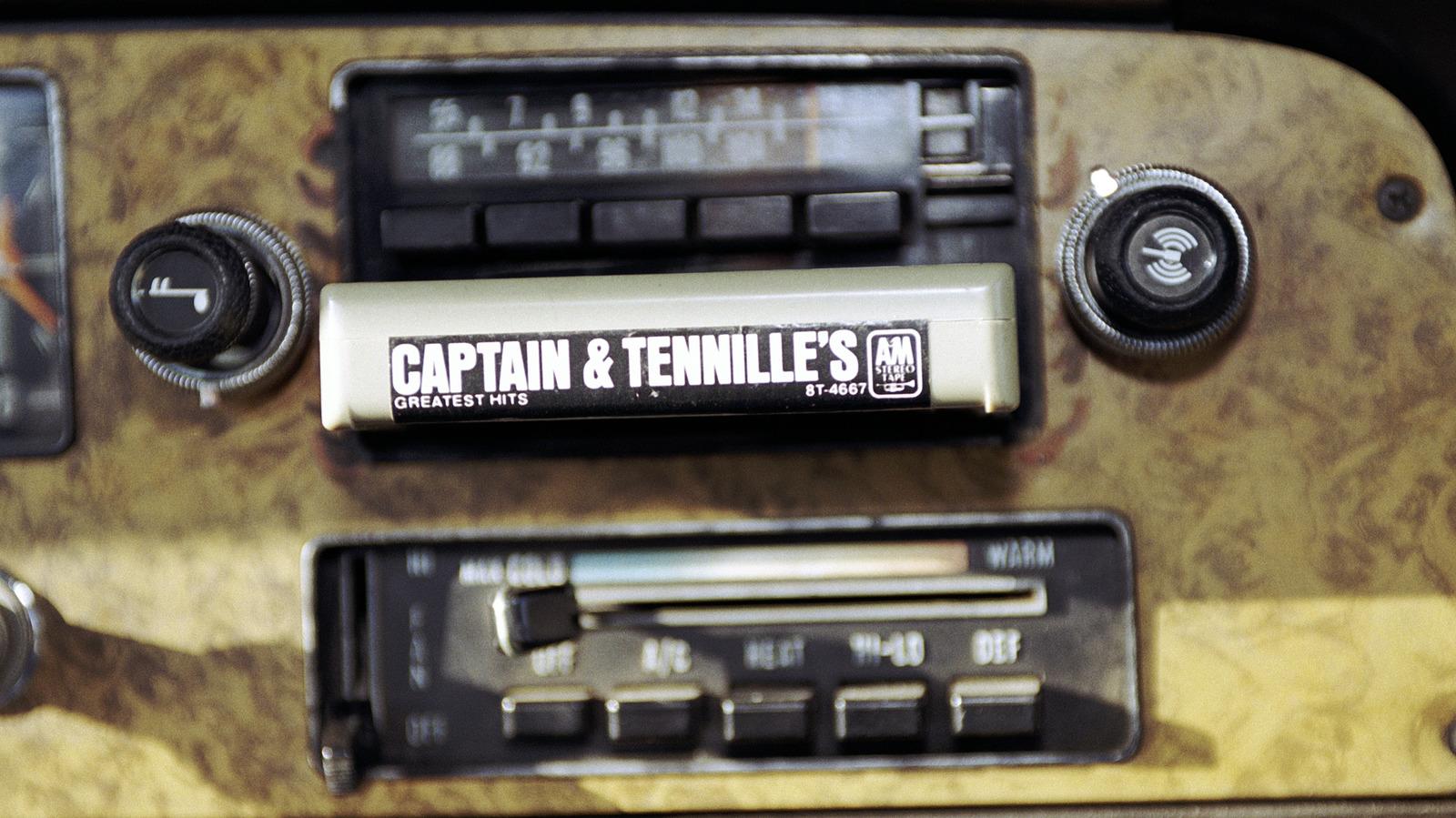
When Did Automakers Switch From 8‑Track Players to Cassette Decks? – Timeline, Reasons & Impact
Image: When Did Automakers Switch From 8‑Track Players to Cassette Decks? – Timeline, Reasons & Impact – Performance Comparison and Specifications
Design & Looks
The 8‑track was a chunky, rectangular box that stuck out of the dashboard. It used a large belt of magnetic tape and a motor that pulled the tape through the player. Cassette decks, on the other hand, fit into a slimmer slot and used two small spools. The new design looked cleaner and saved valuable dashboard space – a big win for car makers trying to modernize interiors.
Performance & Reliability
The turning point was the introduction of a better biasing circuit and an auto‑reverse mechanism. Early cassettes suffered from hiss and uneven sound, but the improved electronics kept the tape speed steady and reduced noise. That meant drivers could finally trust a cassette to play a song from start to finish without a sudden drop in quality. In short, the cassette became as dependable as the 8‑track, but with better sound and lower cost.
Price & Rivals
When the new cassette decks hit the market, they were priced about $50‑$100 less than the 8‑track units. Brands like Sony and Panasonic pushed the price down even further, making the cassette the obvious choice for budget‑conscious buyers. By the mid‑1970s, almost every new car model offered a cassette deck as the standard audio option.
Quick Comparison
| Feature | 8‑Track Player | Cassette Deck |
|---|---|---|
| Engine | N/A | N/A |
| Mileage | N/A | N/A |
| Price (1970s) | $150–$200 | $100–$150 |
| Top Features | Continuous loop, simple controls | Auto‑reverse, better sound quality, compact size |
FAQ
When did the first cassette decks appear in cars?
The first factory‑installed cassette decks showed up in 1972, but they didn’t become common until 1974‑1975.
Why did automakers abandon 8‑track so quickly?
The cassette was cheaper, smaller, and—after the biasing upgrade—just as reliable. Consumers also liked being able to record their own mixes.
Did the switch to cassette decks affect car resale value?
Cars with cassette decks tended to hold their value better in the late 1970s because buyers expected that feature as standard.
What’s your favorite car‑audio memory? Leave a comment below and share your story.
Source: Read Official News