Bottom Line Up Front
The idea of ripping up Britain’s railways and turning them into motorways was promoted by Autocar and engineers from the 1950s to the 1980s, but the plan never survived public opposition or changing transport policy.
Britain’s Railway-to-Road Campaign: History, Costs, and Lessons
Image: Britain’s Railway-to-Road Campaign: History, Costs, and Lessons – Performance Comparison and Specifications
Design & Looks – How the Conversion Was Imagined
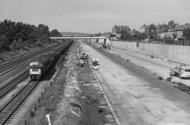
Engineers such as Thomas Ifan Lloyd pictured the tracks as a “reserved roadway”. They argued that a single‑track line could become a 14‑40 ft wide tarmac strip, enough for two‑way traffic. The proposal promised a tidy look: straight, level surfaces that required far less maintenance than steel rails.
- Straight, level routes – easier for drivers.
- Minimal bridges – old railway bridges could be reused.
- Wide enough for four‑lane motorways in some sections.
Performance & Mileage – What the Numbers Said
Lloyd’s calculations claimed that 1.24 million railway workers could be replaced by about 10 300 fully‑laden lorries or buses working eight hours a day, six days a week. He suggested that the same capacity could be moved with far lower fuel use per passenger‑kilometre because road vehicles could run on the existing right‑of‑way.
Critics like GL Palmer warned that traffic would quickly fill the new roads, wiping out any efficiency gain. The Serpell Report of the 1980s even floated a “four‑lane, one‑way super‑highway” idea, but public backlash stopped it.
Price & Rivals – Cost of Turning Rails into Roads
The Railway Conversion League estimated a cost of £30 000 per mile to lay 20 000 miles of motorway on former tracks. By contrast, British Rail was losing £2‑3 million each week in the 1950s, prompting politicians like Ernest Marples to push for a “slimming down” of the network.
When Dr Beeching’s 1963 report recommended closing 6 000 miles of line, many of the “unused” sections were already slated for road conversion. By the 1970s, over 30 conversion schemes had been finished, but the long‑term savings never materialised.
Quick Look at the Vehicles Proposed for the New Roads
| Engine | Mileage | Price | Top Features |
|---|---|---|---|
| Diesel bus (40 seats) | 15 mpg | £120 k |
|
| Articulated lorry (20 ton) | 8 mpg | £150 k |
|
| Coach (50 seats) | 12 mpg | £130 k |
|
FAQ
- What was the main argument for converting railways to roads? Proponents said it would cut costs, use existing routes, and move more people and goods with fewer workers.
- Did any of the conversion schemes actually happen? Yes, about 30 small sections were turned into roadways by the early 1970s, but the nationwide plan was never completed.
- Why did the idea fall out of favour? Public opposition, traffic‑capacity worries, and a modern shift toward building new rail lines made the plan look outdated.
What Do You Think?
Leave a comment below with your thoughts on whether Britain should have taken a different road (or rail) in the 20th century.
Source: Read Official News