Bottom line: Solid‑state batteries promise safety and longer range, but high‑cost materials, manufacturing hurdles, and scalability issues keep most automakers stuck with lithium‑ion for now.
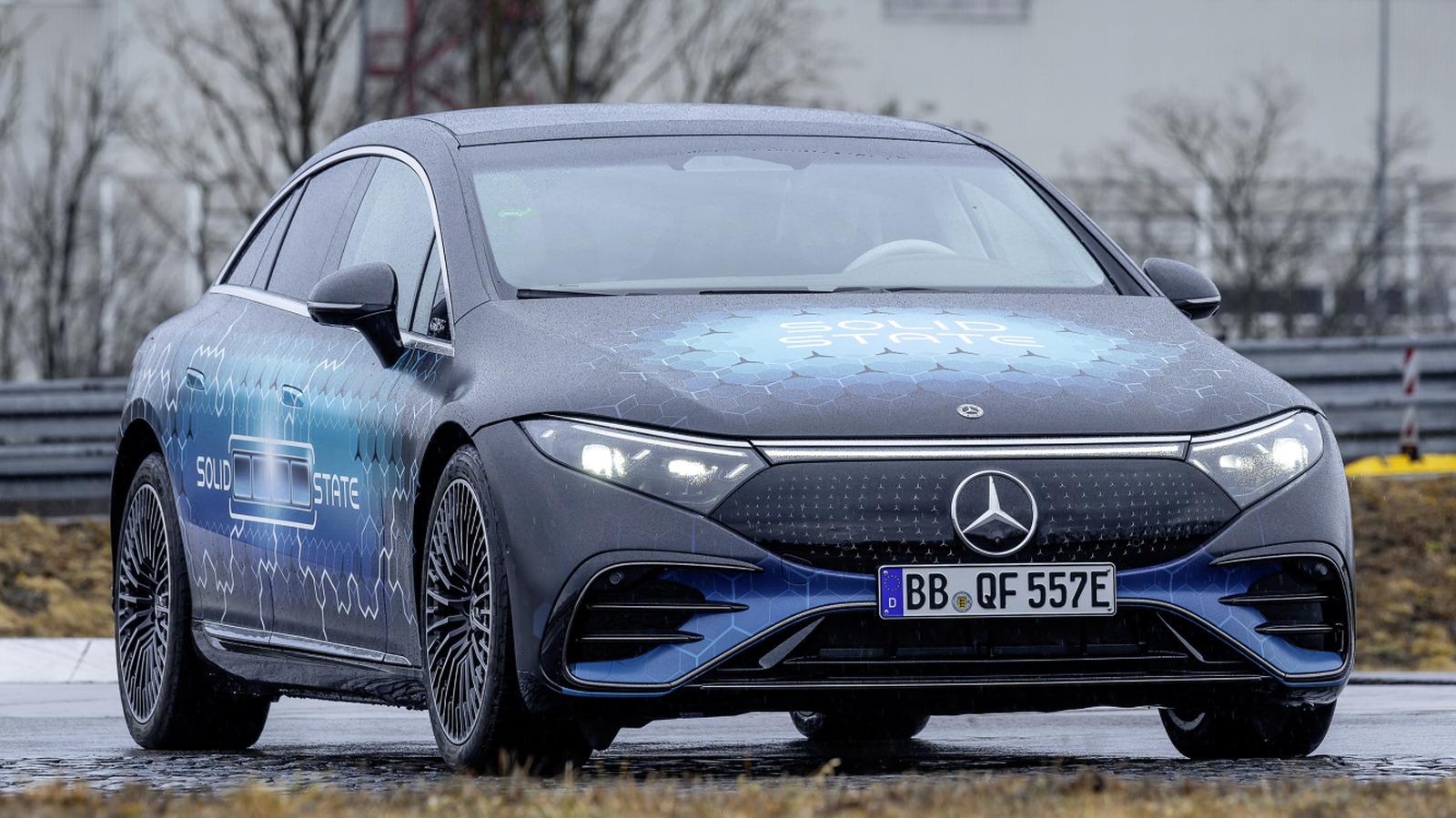
Biggest Challenges With Switching To Solid‑State Batteries – An EV Insider Look
Image: Biggest Challenges With Switching To Solid‑State Batteries – An EV Insider Look – Performance Comparison and Specifications
Design & Safety
Solid‑state cells replace the liquid electrolyte with a solid ceramic or polymer. That makes them far less flammable, which sounds perfect for electric cars. The catch? The solid material is brittle and reacts badly to tiny defects. Automakers need ultra‑clean factories and new tooling, which means a huge upfront investment. Even a small impurity can create a short‑circuit, so quality control must be tighter than anything in the current supply chain.
Performance & Mileage
In theory, solid‑state packs can hold more energy per kilogram, giving a longer driving range. In practice, early prototypes still struggle to hit the 300‑mile mark consistently. The electrolyte’s conductivity drops at low temperatures, so a car in a cold climate may lose power faster than a conventional lithium‑ion vehicle. Engineers are also wrestling with how to stack cells without cracking the solid layers, which limits how fast they can charge.
Cost & Rivals
Materials like lithium‑metal and high‑purity ceramics are expensive, and they aren’t produced at the scale of graphite and liquid electrolytes. That pushes the projected cost of a solid‑state pack well above $200 per kilowatt‑hour, compared with today’s sub‑$120. Until the price gap narrows, manufacturers find it hard to justify a switch when lithium‑ion is already improving in energy density and price.
| Battery | Range (mi) | Estimated Price | Top Features |
|---|---|---|---|
| Toyota Solid‑State (prototype) | ≈350 | $250/kWh | High safety, fast charge (10‑min) |
| QuantumScape Cell | ≈300 | $230/kWh | Thin‑film design, high energy density |
| Samsung Solid‑State | ≈280 | $240/kWh | Stable at low temps, longer cycle life |
FAQ
What is the biggest technical barrier to solid‑state batteries?
The toughest part is making a solid electrolyte that conducts ions quickly while staying stable under pressure and temperature changes. Even tiny cracks can cause failure.
Will solid‑state batteries be cheaper than lithium‑ion in the next five years?
Most analysts say not yet. Scaling production and finding cheaper materials are needed before costs can drop below current lithium‑ion prices.
Are solid‑state batteries safer for electric vehicles?
Yes. Without flammable liquid electrolyte, the risk of fire is dramatically reduced, which is a major selling point for safety‑focused buyers.
What do you think about solid‑state batteries? Share your thoughts in the comments below.
Source: Read Official News