Introduction: The Growing Legal Risk for Auto Influencers
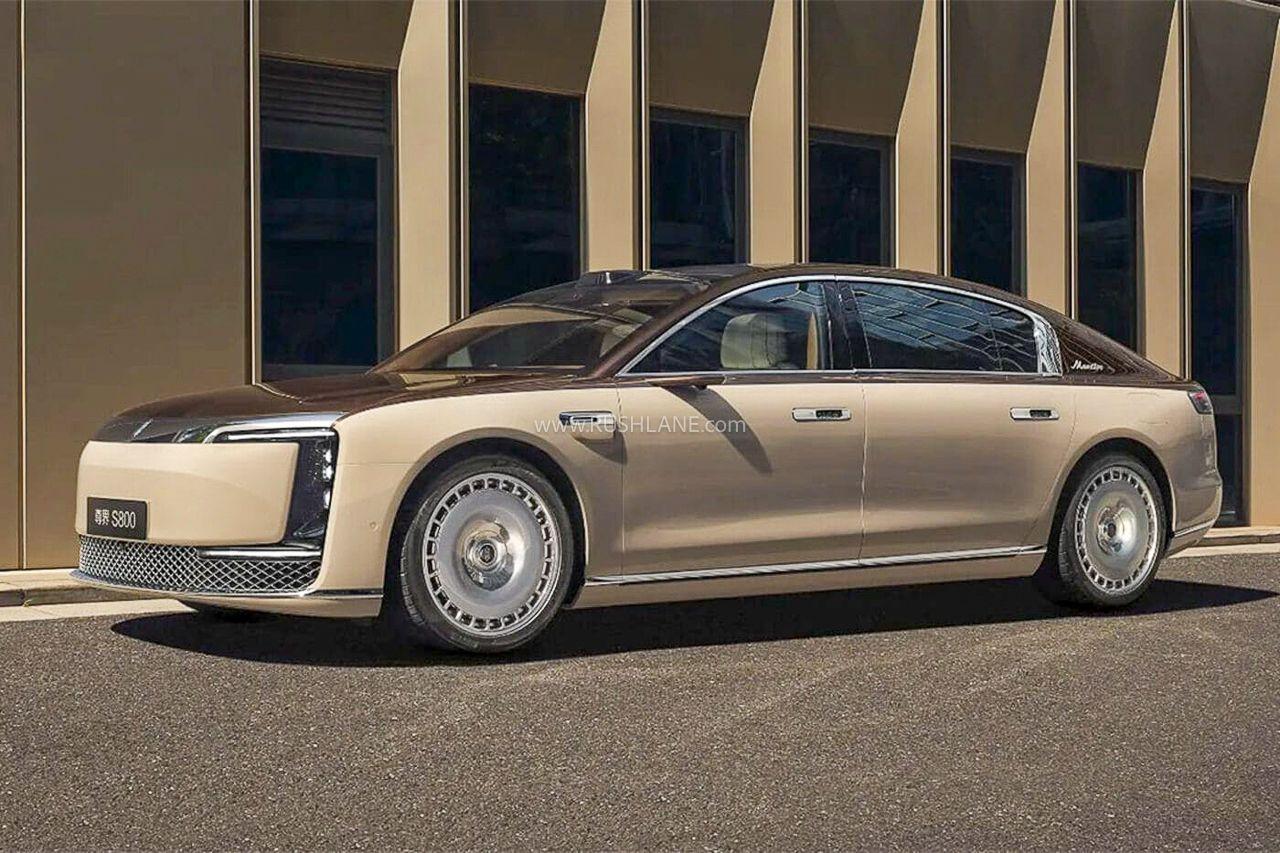
Court Fines Influencer 300,000 Yuan for Defaming Huawei’s Maextro S800
Image: Court Fines Influencer 300,000 Yuan for Defaming Huawei’s Maextro S800 – Performance and Specifications
In the high-speed world of social media, clout often comes before caution. However, a recent landmark ruling in China has sent a clear message to content creators: spreading unverified claims can cost you a fortune. A popular automotive influencer, known online as Fraccino (Saiche Xingbingyue), has been slapped with a 300,000 Yuan (approx. Rs 40 Lakh) penalty for defaming the luxury car brand, Maextro.
As we move through 2026, the battle between car manufacturers and social media personalities has shifted from the comment sections to the courtrooms. This case involving Huawei and JAC’s luxury venture highlights a massive crackdown on what regulators call “online chaos” in the automotive sector.
The Case: Fabricated Claims vs. Corporate Reputation
The legal battle began in early 2025 when Maextro released a series of promotional videos for its flagship S800 luxury sedan. The clips showcased the vehicle’s advanced chassis capabilities, including a “crab walk” feature and its ability to handle deep potholes with ease. These features were designed to position the S800 as a direct rival to heritage brands like Rolls-Royce and Mercedes-Maybach.
What Triggered the Lawsuit?
The influencer, Fraccino, posted a response video claiming that these suspension tests were fabricated and rigged. He suggested that such marketing was typical of Huawei-backed brands to mislead the public. Despite a formal request from Maextro for an apology in March 2025, the influencer doubled down with more provocative content. This led JAC (Jianghuai Automobile Group), the manufacturing partner for Maextro, to file a defamation suit on behalf of the brand.
The Court’s Final Verdict
While the original compensation demand from the carmaker was 1 million Yuan (Rs 1.33 crore), the court settled on a final fine of 300,000 Yuan. The judge ruled that the influencer’s claims were indeed fabricated and lacked any technical evidence, significantly damaging the brand’s reputation during its critical launch phase.
Maextro S800: The Car at the Center of the Storm
The Maextro S800 isn’t just any electric vehicle; it is a statement of Chinese engineering prowess in the ultra-luxury segment. Since its deliveries began in August 2025, it has become a best-seller in its class. In December 2025 alone, the S800 recorded over 4,300 units in sales, a remarkable feat for a car at its price point.
| Feature/Variant | Standard | Luxury | Exclusive | Presidential |
|---|---|---|---|---|
| Price (Yuan) | 708,000 | 788,000 | 818,000 | 1,018,000 |
| Key Technology | Huawei ADS 3.0 | Crab Walk Mode | Satellite Calling | Rear Executive Theater |
| Drive System | AWD Quad-Motor | AWD Quad-Motor | AWD Quad-Motor | AWD Quad-Motor |
A Nationwide Crackdown: BYD, GWM, and Xpeng Join the Fight
This isn’t an isolated incident. In late 2025, China’s Ministry of Industry and Information Technology launched a rectification campaign to stop organized disinformation. Several major players have successfully sued influencers recently, proving that the legal tide has turned against “clickbait” defamation.
| Carmaker | Influencer / Account | Penalty Amount | Main Allegation |
|---|---|---|---|
| BYD | Longzhu Jiche | 2.01 Million Yuan | False fire/combustion videos |
| Maextro | Fraccino | 300,000 Yuan | Fabricated suspension tests |
| Great Wall Motor | Dayange Shuoche | 200,000 Yuan | Repetitive derogatory content |
| Xpeng | Long Laoshi | 100,000 Yuan | Unverified battery claims |
The Economic Impact of Defamation in 2026
In the current automotive landscape, a single viral video can cause a brand’s stock to dip or lead to thousands of order cancellations. For a high-end vehicle like the Maextro S800, which carries a premium price tag of over 1 million Yuan for its top trim, the stakes are incredibly high. The court recognized that malicious misinformation is not “fair criticism” but a calculated move to gain traffic at the expense of another’s business.
The Future of Content Creation
For influencers, the lesson is simple: Verification is mandatory. In 2026, car companies are no longer ignoring the noise. They have dedicated legal and anti-fraud units monitoring social platforms 24/7. While constructive criticism is still welcomed, the era of making “bold claims” without data is effectively over.
Frequently Asked Questions (FAQ)
1. Why was the influencer fined 300,000 Yuan?
The influencer was found guilty of fabricating claims that Maextro’s suspension tests were fake. The court ruled that this was an act of defamation designed to attract social media traffic.
2. Who is the influencer involved in the Maextro case?
The influencer goes by the handle Fraccino (赛车星冰乐) on platforms like Douyin. He is a prominent car reviewer in China.
3. What is special about the Maextro S800?
The Maextro S800 is a luxury EV sedan developed by Huawei and JAC. It features “crab walking” capabilities, satellite communication, and an ultra-advanced chassis system.
4. How much does the Maextro S800 cost in 2026?
The car is priced between 708,000 Yuan and 1.018 million Yuan, which translates to roughly Rs 83 Lakh to Rs 1.2 Crore (excluding taxes and duties).
5. Have other carmakers sued influencers recently?
Yes, BYD, Tesla, Great Wall Motor (GWM), and Xpeng have all won major defamation cases against influencers in the last 12-18 months.
6. What was the highest fine ever paid in such a case?
Recently, an account defaming BYD was ordered to pay over 2 million Yuan (approx. Rs 2.3 Crore) for spreading false information about vehicle fires.
7. Can I still criticize a car brand online?
Yes, but your criticism must be based on facts, personal experience, or data. Making up stories or using edited footage to mislead viewers is legally actionable.
8. What is the “News Anti-Fraud Office” mentioned by carmakers?
It is a department created by companies like BYD to monitor and legally challenge disinformation campaigns. They even offer rewards (up to 5 million Yuan) for tips on organized smear campaigns.
9. Does this ruling apply outside of China?
While this specific ruling is from a Chinese court, global brands like Tesla have begun taking a similar “zero-tolerance” approach to defamation in other markets, including the US and Europe.
10. What should influencers do to stay safe?
Influencers should ensure all technical claims are backed by transparent testing and avoid using derogatory language that could be interpreted as a malicious attack on a brand’s reputation.