Quick Take
One-way streets were created to keep traffic moving safely and quickly, but many drivers now wonder if they actually help or just add annoyance.
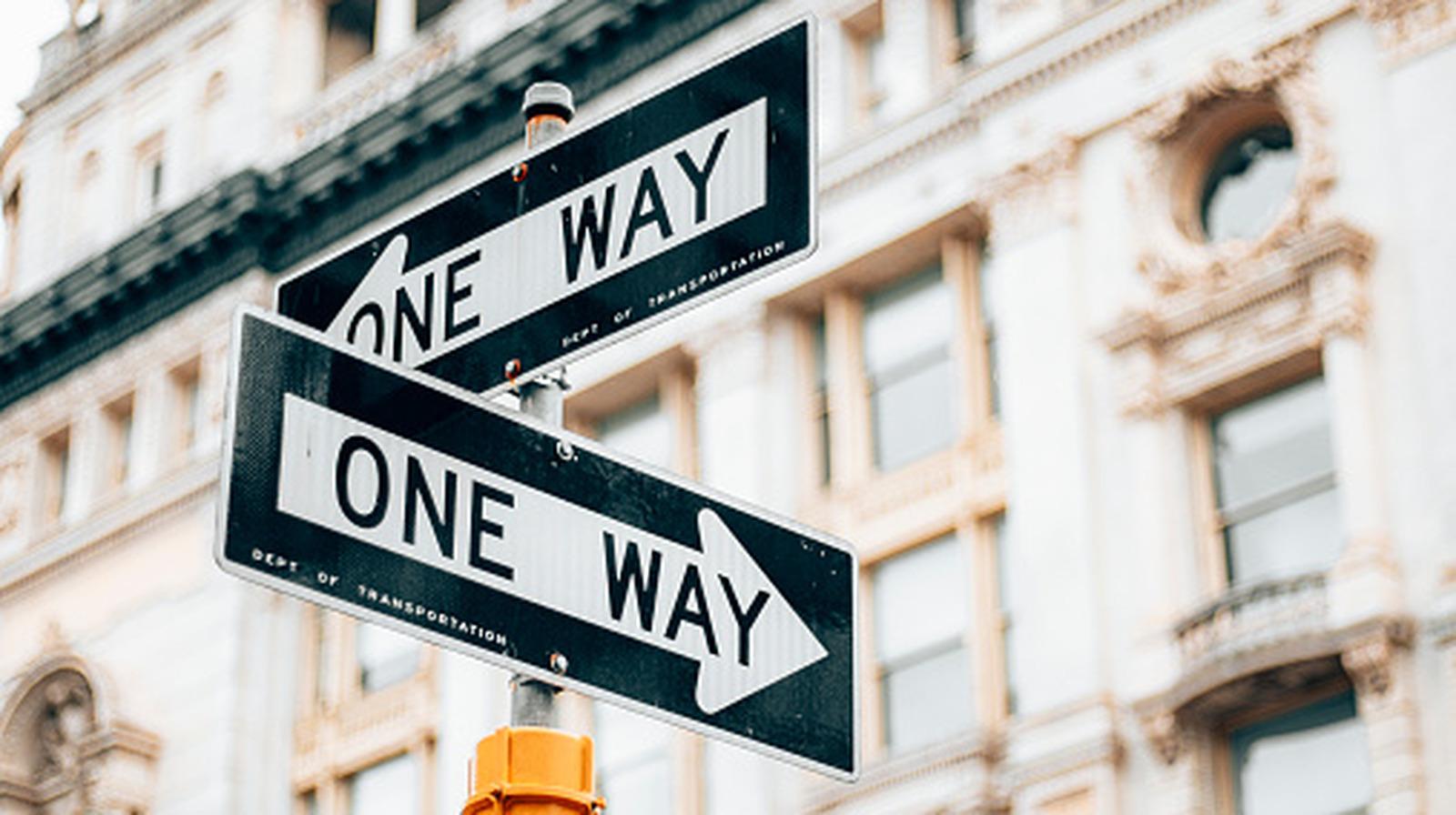
Do One-Way Streets Really Help Traffic Flow? Pros, Cons & Real-World Impact
Image: Do One-Way Streets Really Help Traffic Flow? Pros, Cons & Real-World Impact – Performance Comparison and Specifications
Design & Looks
City planners design one-way routes to simplify intersections, reduce conflict points, and give streets a cleaner visual flow. By eliminating head‑on turns, the streets often look wider and feel more organized. However, the design can also feel confusing for visitors who expect two‑way traffic.
Performance & Mileage
When a street only allows traffic in one direction, cars don’t have to stop for oncoming vehicles at every corner. This can boost average speed by 10‑15% in dense downtown areas. Studies in cities like Portland and Barcelona show modest reductions in travel time during peak hours. Yet, the same data reveals that drivers may travel extra blocks to find a one‑way route, which can offset any speed gains.
Price & Rivals
Implementing a one‑way system is cheaper than building a new road or installing a traffic signal. The main cost is signage and occasional re‑painting. Alternatives such as adaptive traffic lights or shared‑space streets can achieve similar flow improvements without forcing drivers into a single direction. Some cities are experimenting with reversible lanes that change direction based on rush‑hour demand, offering a flexible middle ground.
Key Takeaways Table
| Engine | Mileage | Price | Top Features |
|---|---|---|---|
| Street layout and direction | Average speed boost 10‑15% | Low – signage & paint | Fewer conflict points, smoother flow |
FAQ
Do one-way streets reduce travel time?
They can cut travel time by about 10 % in busy downtown zones, but extra detours may cancel out the benefit for some drivers.
Are one-way streets cheaper than new roads?
Yes. Adding signs and repainting costs far less than constructing additional lanes or installing complex signal systems.
What’s a modern alternative to one-way streets?
Adaptive traffic signals, reversible lanes, and shared‑space designs are gaining traction as flexible ways to improve flow without fixed one‑way rules.
Join the Conversation
What’s your experience with one-way streets? Share a story or suggestion in the comments below.
Source: Read Official News