Bottom line: Marine alternators are built for salty, wet conditions and often run at lower RPMs, while car alternators focus on compact size and higher RPM output.
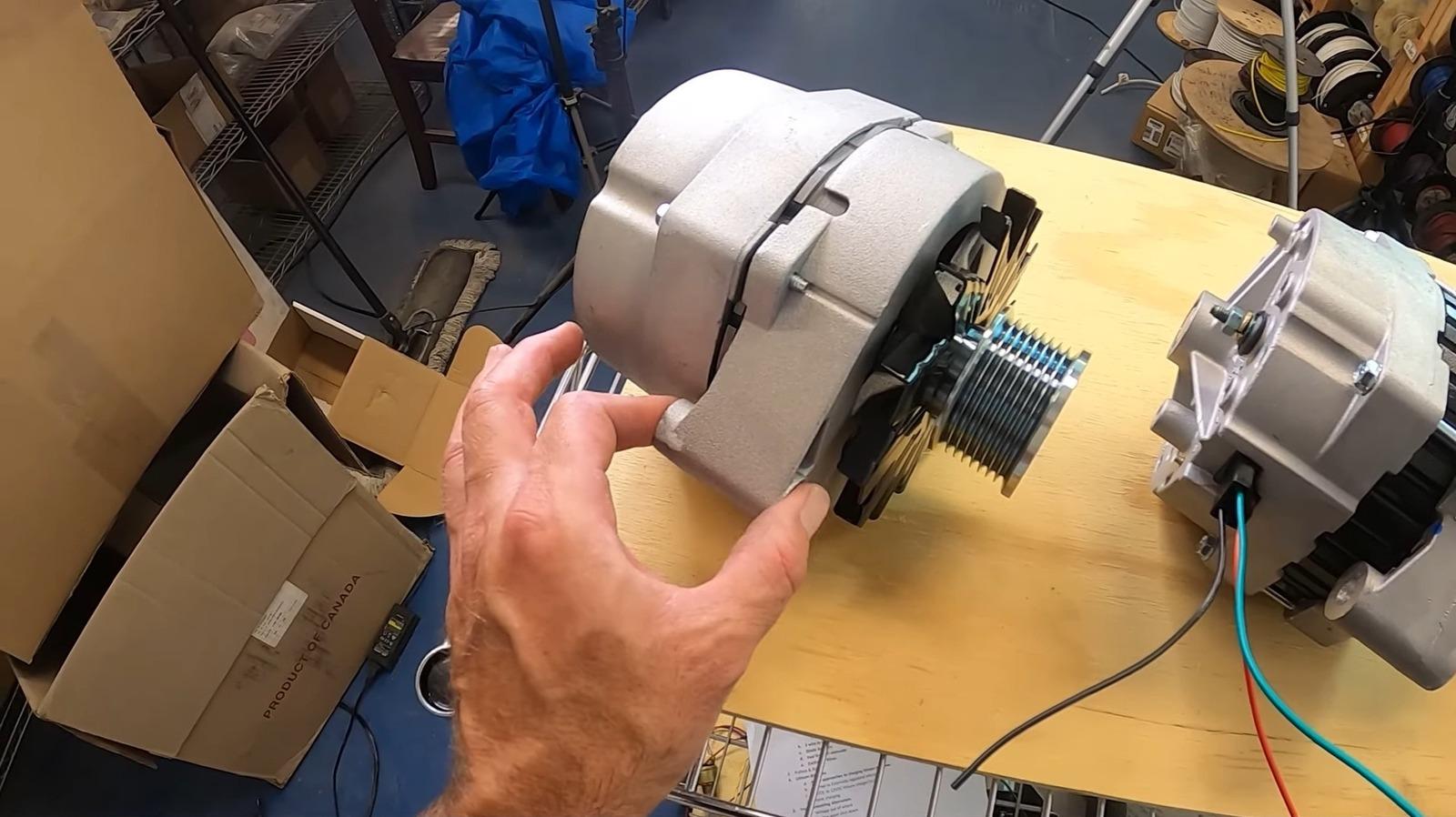
Marine Alternators vs Car Alternators: What Sets Them Apart?
Image: Marine Alternators vs Car Alternators: What Sets Them Apart? – Performance Comparison and Specifications
Design & Looks
Both parts look like a small, whirring box, but the details differ. A marine alternator usually has a sealed, waterproof housing and larger, corrosion‑resistant brushes. Car alternators are slimmer, with an open vent for better cooling in a dry engine bay. The visual cues are subtle, but the marine unit feels sturdier when you hold it.
Performance & Mileage
Marine alternators are tuned for steady, low‑speed operation because boat engines often stay at a constant rpm while cruising. They produce a steady 12 V output at around 1,000‑1,500 rpm. Car alternators, on the other hand, must handle rapid changes in engine speed, so they are designed to generate power up to 6,000‑8,000 rpm. This means a car alternator can quickly recharge the battery after hard acceleration, while a marine alternator focuses on durability rather than peak power.
Price & Rivals
Because marine alternators need extra protection against saltwater, they typically cost a bit more – roughly $150‑$300 compared with $80‑$180 for a standard automotive unit. If you swap them, expect a trade‑off: a marine alternator in a car may feel under‑powered, while a car alternator in a boat could corrode quickly.
| Type | Engine | Mileage | Price | Top Features |
|---|---|---|---|---|
| Marine Alternator | Boat Engine | Lower (steady load) | $150‑$300 | Sealed housing, corrosion‑resistant brushes, water‑proof design |
| Car Alternator | Automobile Engine | Higher (variable rpm) | $80‑$180 | Compact, high‑rpm output, built‑in voltage regulator |
FAQ
- What is the main difference in durability between marine and car alternators? Marine units use sealed, rust‑proof housings and tougher brushes to survive saltwater exposure, while car units prioritize lightweight construction.
- Can I use a car alternator on a boat? Technically possible, but the lack of waterproofing will lead to premature failure in a marine environment.
- Do marine alternators affect fuel mileage? They are designed for steady loads, so they have a minimal impact on overall fuel consumption compared with a car alternator’s variable output.
Got a story about swapping alternators between a boat and a car? Share it in the comments below – we love hearing real‑world experiences.
Source: Read Official News