Bottom Line Up Front
Dry rot cracks and crumbles rubber, so your tires can lose grip or fail – learn the signs, causes, and simple steps to keep them safe.
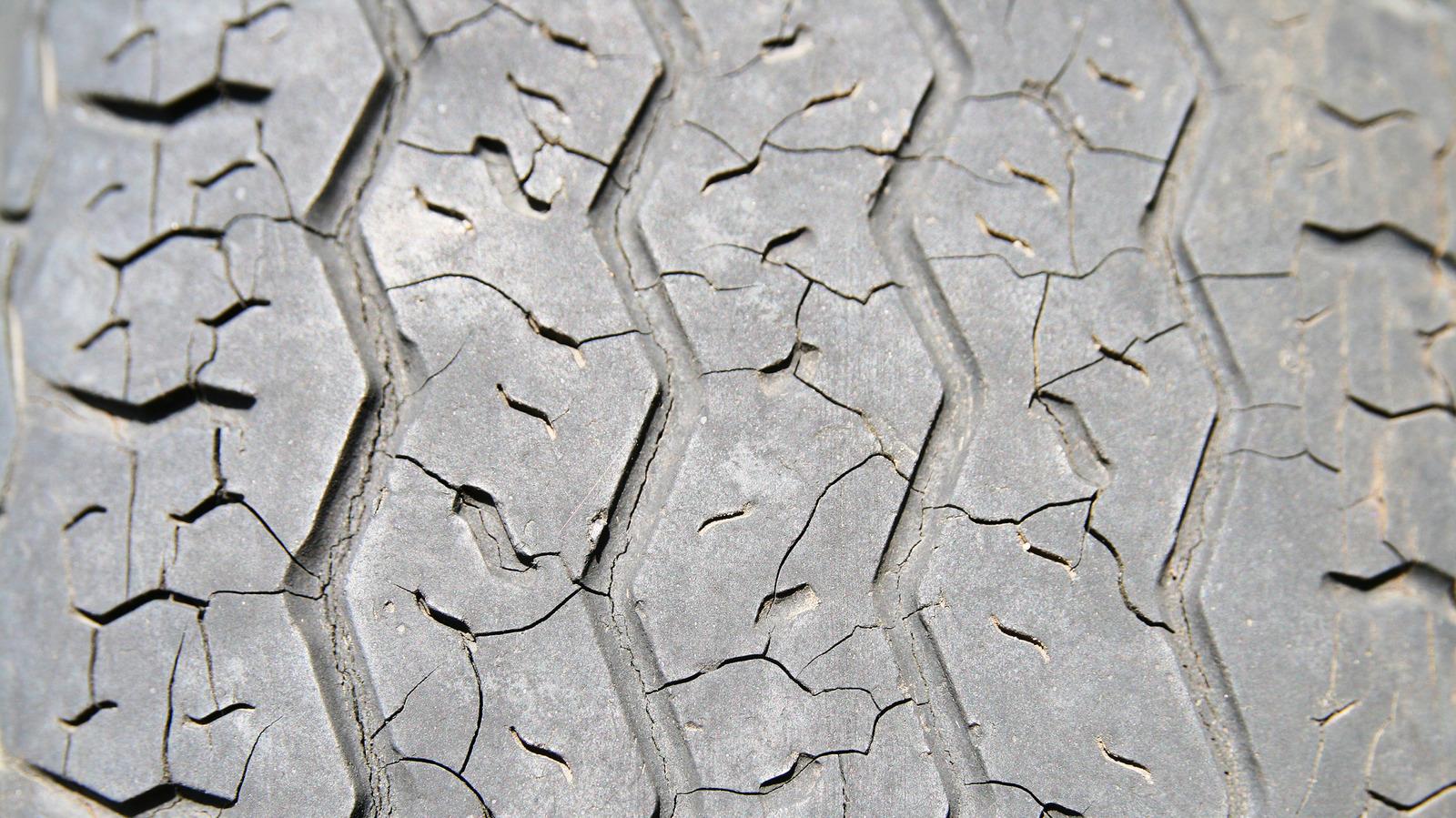
Tire Dry Rot: What It Is, Why It Happens, and How to Stop It
Image: Tire Dry Rot: What It Is, Why It Happens, and How to Stop It – Performance Comparison and Specifications
What Is Tire Dry Rot? (Design & Looks)
Even though tires look tough, the rubber compounds age. When exposure to oxygen, UV light, and ozone breaks down the polymer chains, the tread and sidewalls become brittle. Visually, dry rot appears as small white or gray cracks, especially along the shoulder and between tread blocks.
- Surface cracks – shallow lines that feel rough to the touch.
- Chunking – pieces of rubber start to flake off.
- Loss of flexibility – the tire feels hard even when warm.
Why It Happens (Performance & Mileage)
The main culprits are environmental and usage factors:
- Sunlight: UV rays break down the rubber’s protective oils.
- Ozone: Reactive ozone molecules attack the sidewalls, creating cracks.
- Age: Rubber naturally oxidizes over time; most manufacturers recommend replacing tires after six to ten years, regardless of tread depth.
- Low mileage: Cars that sit for months let the rubber sit in one spot, accelerating rot.
When dry rot spreads, the tire’s ability to grip the road drops, increasing the risk of hydroplaning or a blow‑out.
How to Stop It (Price & Rivals)
Prevention is cheap compared to replacement. Follow these easy habits:
- Store properly: Keep spare tires in a cool, dry place, away from direct sunlight.
- Rotate regularly: Move tires front‑to‑back every 5,000–7,000 miles to even out wear.
- Use tire protectant: Apply a UV‑blocking spray or silicone‑based sealant once a year.
- Check pressure: Under‑inflated tires flex more, generating heat that speeds up cracking.
- Replace on time: Even if tread looks good, swap tires after 6‑10 years.
These steps cost a few dollars each year and can add a decade to a tire’s life.
Quick Reference Table
| Engine | Mileage | Price | Top Features |
|---|---|---|---|
| N/A | N/A | $80‑$200 per tire | Wet grip, Long‑life compounds, Dry‑rot resistance |
FAQ
What are the first signs of tire dry rot? Look for shallow, white or gray cracks on the sidewall and shoulder, and feel for a hard, chalky surface.
Can I repair a tire with dry rot? Minor surface cracks can sometimes be sealed, but once the rubber is brittle, replacement is the safest choice.
How often should I inspect my tires for dry rot? Check them at least once a month, and do a deeper inspection before long trips or after a season of storage.
Join the Conversation
If you’ve caught dry rot early or have tips that saved your tires, share your story in the comments below.
Source: Read Official News