Design & Looks
When you look under the hood of a manual‑driven car, you’ll see a solid flywheel bolted to the crankshaft. Its purpose is simple: store rotational energy and give the clutch a smooth surface to grab. An automatic, however, swaps that heavy disc for a thin, spring‑loaded flex plate. Visually, the flex plate looks like a lightweight metal disk with a few ribs – nothing flashy, but its shape lets it flex just enough to absorb torque spikes without the bulk of a flywheel.
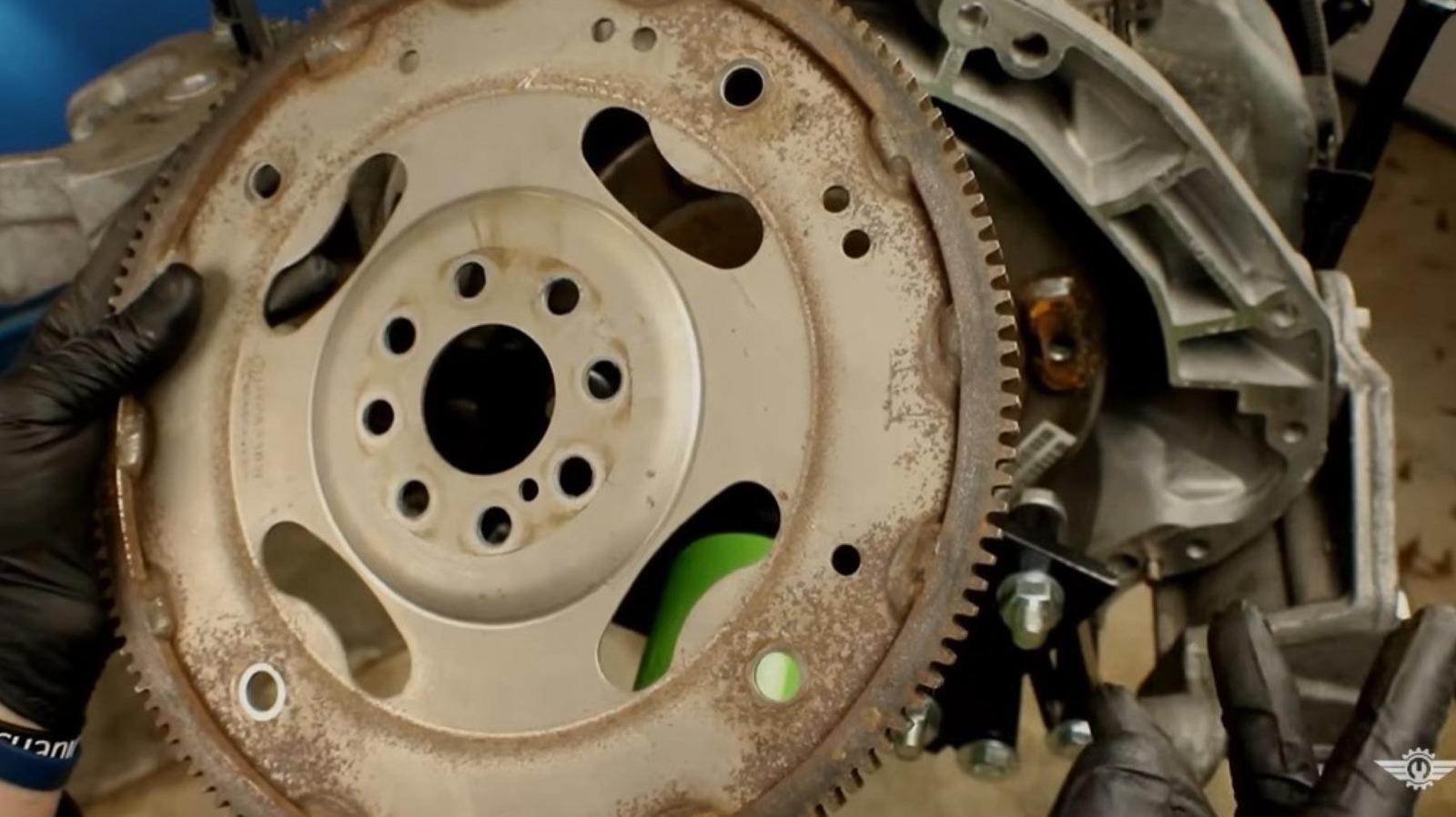
Why Automatic Transmissions Use Flex Plates Instead of Flywheels – Explained
Image: Why Automatic Transmissions Use Flex Plates Instead of Flywheels – Explained – Performance Comparison and Specifications
Performance & Mileage
Why does this matter on the road? A lighter flex plate reduces rotating mass, meaning the engine doesn’t have to work as hard to spin it up. The result is a slight boost in fuel efficiency – often a few tenths of a MPG – and smoother acceleration because the torque converter can modulate power more precisely. In a manual, the clutch must physically engage and disengage, creating a brief pause in power delivery. Automatics avoid that pause; the flex plate’s give‑and‑take action lets the torque converter keep the engine’s output flowing, especially during low‑speed launches.
Because the flex plate is thinner, it also helps the transmission pack into a tighter space. That design freedom allows manufacturers to place the transmission closer to the engine, shortening the drivetrain and shaving off a little extra weight. Less weight means less inertia to overcome, which translates to a modest improvement in both city and highway mileage.
Price & Rivals
Cost is another driver of the flex‑plate choice. A traditional flywheel is forged from heavy steel and must be machined to tight tolerances. A flex plate, on the other hand, is stamped and then heat‑treated – a cheaper process that still meets durability standards for most daily drivers. This savings shows up in the sticker price of automatic‑equipped models, especially in entry‑level cars where manufacturers fight to keep numbers attractive.
When you compare rivals, the ones with automatics often tout smoother shifts and better fuel numbers. Those benefits are, in part, thanks to the flex plate’s lighter weight and its ability to work hand‑in‑hand with the torque converter. Manual‑only competitors may have stronger flywheels, but they pay the price in added mass and slightly lower efficiency.
| Engine | Mileage | Price | Top Features |
|---|---|---|---|
| 2.0 L I4 | 30 MPG combined | $25,000 | Flex plate, smooth automatic shifts, low‑weight drivetrain |
FAQ
- What is a flex plate? It is a thin, spring‑loaded metal disc that connects the engine to an automatic transmission, replacing the heavy flywheel found in manual cars.
- Does a flex plate improve fuel economy? Yes, its lighter weight reduces rotating mass, which can add a few tenths of a mile per gallon.
- Can I replace a flex plate with a flywheel? Not without changing the whole transmission type; the two parts are not interchangeable.
Got more questions or personal experiences with flex plates? Drop a comment below – we love hearing your stories.
Source: Read Official News