Why Car Keys Went From Simple Proximity Keys to High‑Tech Fobs
Bottom line up front: electronic keys started as basic proximity devices and have morphed into expensive, button‑filled fobs because manufacturers wanted more security, convenience, and a way to lock in extra profit.
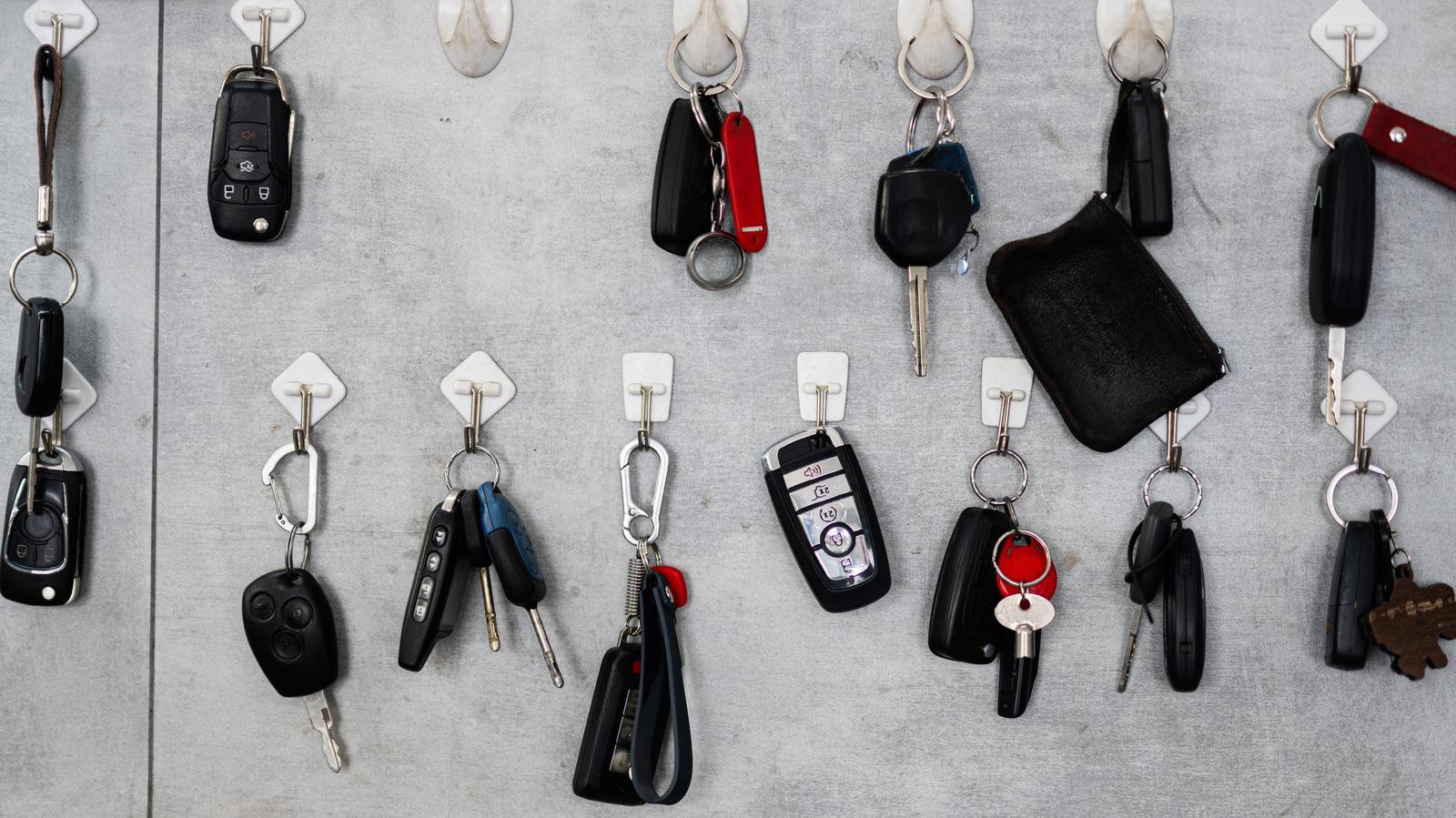
Why Car Keys Went From Simple Proximity Keys to High‑Tech Fobs – Evolution Explained
Image: Why Car Keys Went From Simple Proximity Keys to High‑Tech Fobs – Evolution Explained – Performance Comparison and Specifications
Design & Looks
The first electronic keys were little plastic shells that you slipped into your pocket. They did one thing – let the car detect you nearby and unlock the doors. Over the years the shape grew bigger, the plastic got softer, and manufacturers added glossy finishes, leather‑wrapped grips, and even brand‑specific logos. Today’s fobs look like tiny remote controls, often with LED lights that flash when you press a button. The design shift isn’t just about style; each button adds a new function – trunk release, panic alarm, or key‑less start.
Performance & Mileage
Early proximity keys were powered by tiny coin cells that lasted years because they only transmitted a short signal when you were within a foot or two. Modern smart fobs do a lot more: they communicate with the car’s CAN bus, manage rolling codes to thwart thieves, and sometimes even house a Bluetooth Low Energy chip for smartphone integration. All that extra tech drains the battery faster, so you’ll hear the familiar low‑battery beep after 12‑18 months instead of 3‑5 years. Still, the convenience outweighs the hassle – you can start the engine with a button press, open the trunk from the back seat, and even customize settings through the car’s infotainment menu.
Price & Rivals
When you compare a plain proximity key to a premium fob, the price jump is obvious. A basic key might cost $30‑$50, while a high‑end fob with advanced features can run $150‑$300 or more, especially on luxury brands. Car makers justify the markup by pointing to anti‑theft technology, reduced wear on the door lock, and the added revenue stream from “connected car” services. Competing brands often try to undercut each other by offering extra features – such as a built‑in Wi‑Fi hotspot or a solar‑charging panel – turning the key into a tiny gadget you can’t live without.
| Generation | Engine | Mileage | Price | Top Features |
|---|---|---|---|---|
| Mechanical | N/A | N/A | $10‑$20 | Simple cut‑key, no electronics |
| Proximity | N/A | N/A | $30‑$50 | Key‑less entry, low‑power coin cell |
| Smart Fob | N/A | N/A | $150‑$300+ | Button‑controlled start, trunk release, anti‑theft rolling code, Bluetooth/Phone integration |
FAQ
- What is the main difference between a proximity key and a smart fob? A proximity key only unlocks the doors when you’re close, while a smart fob adds functions like engine start, trunk opening, and wireless phone pairing.
- How often do I need to replace the battery in a modern car fob? Most smart fobs last 12‑18 months; the car will warn you with a dashboard light or a beep.
- Are expensive fobs worth the extra cost? If you value convenience, extra security, and the ability to control your car from a distance, the premium price often feels justified.
What do you think about the rise of button‑filled fobs? Share your experience in the comments below.
Source: Read Official News